behringer air xr18 manual
Manual Overview
Explore the Behringer X‑AIR XR18 manual‚ detailing purpose‚ scope‚ and user guidance. It covers setup‚ operation‚ and troubleshooting for the digital mixer. Available free in PDF‚ online‚ and via the X‑AIR Mix app. Download to access full features. Includes routing & MIDI tips. for advanceduse!More
Purpose and Scope
The Behringer X‑AIR XR18 manual serves as the definitive guide for users seeking to fully harness the capabilities of this compact‚ high‑performance digital mixer. Its purpose is to provide clear‚ step‑by‑step instructions for initial setup‚ configuration‚ and daily operation‚ ensuring that both novice and experienced audio professionals can quickly achieve optimal results. The scope of the manual covers every aspect of the XR18’s functionality‚ from basic channel strip operations and routing to advanced features such as network control‚ MIDI integration‚ and firmware updates. It includes detailed explanations of the mixer’s analog and digital I/O‚ the built‑in Wi‑Fi Access Point mode‚ and the X‑AIR Mix iOS app interface‚ allowing users to manage the device remotely. Troubleshooting sections address common issues‚ offering diagnostic tips and recommended solutions. The manual also outlines maintenance procedures‚ safety precautions‚ and best practices for long‑term reliability. By presenting the information in a logical‚ easy‑to‑follow structure‚ the guide empowers users to maximize the XR18’s versatility in live sound‚ recording studios‚ and broadcast environments. Whether configuring a simple two‑channel setup or a complex multi‑room network‚ the manual’s comprehensive coverage ensures that every feature is accessible and understandable‚ thereby enhancing workflow efficiency and creative flexibility. Readers are encouraged to check resources for updatesnow! now
Availability and Formats
The manual also provides a guide for power and connectivity issues‚ a firmware update section‚ and tips to maintain performance efficiently during long daily sessions.

Getting Started Instructions
Download the X‑AIR Mix app‚ set the XR18 to Access Point mode‚ connect iPad to the XR18 network‚ launch the app‚ select the mixer icon‚ and adjust settings directly. Follow the on‑screen prompts for firmware updates and basic calibration. Use the app’s built‑in help for detailed channel setup
Downloading the Manual
To obtain the Behringer X‑AIR XR18 User Manual‚ navigate to the official Behringer support portal. Locate the “X‑AIR” product family and select the XR18 model. The manual is available as a free PDF download‚ with a direct link that opens the file in your browser or prompts a save dialog. The PDF is fully searchable‚ includes high‑resolution images‚ and is organized into sections covering setup‚ routing‚ signal flow‚ and advanced features. The document is available in English only‚ but the interface of the X‑AIR Mix app supports multiple languages for on‑device usage. The manual has been rated by 95 users‚ achieving an average score of 8.7 out of 10. To download‚ simply click the “Download PDF” button; no registration is required. If you prefer an online view‚ click the “View Online” link to open the manual in a new tab. The file size is approximately 12 MB‚ and it can be opened with any standard PDF reader. For mobile users‚ the X‑AIR Mix app also includes an embedded manual viewer that pulls the latest version from the server‚ ensuring you always have the most up‑to‑date documentation. Once downloaded‚ you may print or bookmark the PDF for quick reference during live performances or studio sessions. The manual also includes troubleshooting tips for connectivity issues‚ signal routing diagrams‚ and a MIDI mapping guide for integration with external gear. It contains a glossary‚ quick‑reference sheet for on‑stage use‚ and operator tips to perform efficiently under circumstances.
Installing the X AIR Mix App
Begin by opening the App Store on your iOS device. Search for “X AIR Mix” and download the free application. Once the installer completes‚ tap “Open” to launch the app. The first launch triggers an automatic update check; allow the app to download the latest firmware package for the XR18 if required. After the update‚ you will see a welcome screen with a “Connect to Mixer” button. Press this button to bring up the network discovery interface. Ensure the XR18 is powered on and set to Access Point mode; the device will broadcast a Wi‑Fi network named “X‑AIR‑XR18‑

Network Configuration
Set the XR18 to Access Point mode‚ then connect your iPad to the XR18 Wi‑Fi network. Open the X AIR Mix app‚ tap the mixer icon‚ and adjust routing‚ IP‚ and subnet settings. For wired stability‚ use Ethernet. Verify connectivity before use. Configure IP manually if static addressing required.
Access Point Mode Setup
To enable the XR18’s built‑in Access Point‚ first power on the mixer and press the “Setup” button on the front panel. From the main menu‚ navigate to “Network” and select “Access Point.” The device will broadcast a Wi‑Fi network named “XR18‑AP” with a default SSID and password. On your iPad‚ open Settings → Wi‑Fi‚ locate the XR18‑AP network‚ and tap to connect. When prompted‚ enter the default credentials (SSID: XR18‑AP‚ Password: 12345678). Once connected‚ launch the X AIR Mix app from the App Store‚ tap the “Mixer” icon‚ and the app will automatically discover the XR18 on the local network. If the app does not find the mixer‚ verify that the iPad is on the same subnet (default 192.168.0.1/24) and that the XR18’s firmware is up to date. You can also assign a static IP by selecting “IP Settings” in the app and entering a unique address such as 192.168.0.10. After confirming the connection‚ you can begin adjusting channel levels‚ routing‚ and effects directly from the tablet. For advanced users‚ the XR18 supports DHCP‚ VLAN tagging‚ and 802.1X authentication; these options can be configured via the web interface by navigating to http://192.168.0.1 in a browser and logging in with the default admin credentials. Remember to save any changes before disconnecting.
The Access Point mode also supports simultaneous connections from multiple devices‚ enabling collaborative control and monitoring across the production floor. for all users during shows.
Wi‑Fi Connection Procedure
Step 1: Power on the XR18 and ensure the network LED is lit. Step 2: On your iPad or laptop‚ open Wi‑Fi settings and look for the “XR18‑AP” network. The SSID is usually “XR18‑AP” with a default password of “12345678”. If you have changed the SSID or password‚ use the credentials you set. Step 3: Connect to the network. Once the device shows a solid connection icon‚ launch the X AIR Mix app from the App Store or Google Play. Step 4: In the app‚ tap the “Mixer” icon; the app will automatically scan for the XR18 on the local network. If the mixer does not appear‚ open a web browser and navigate to http://192.168.0.1 to access the web interface. Verify that the IP address matches the XR18’s default (192.168.0.1) and that the network mask is 255.255.255.0. Step 5: Once the app detects the XR18‚ you can begin adjusting channel levels‚ routing‚ and effects. The app provides a full channel strip view‚ EQ‚ compressor‚ and send/return controls. Step 6: For advanced users‚ the XR18 supports DHCP‚ VLAN tagging‚ and 802.1X authentication. These options can be configured in the web interface under “Network Settings.” After making changes‚ reboot the mixer to apply the new settings. Step 7: To disconnect‚ simply turn off Wi‑Fi on your device or select another network. The XR18 will automatically revert to its default LAN mode if no wireless connection is detected. This procedure ensures a stable wireless link for live performancesand sessions.

Mixer Interface Features
The XR18’s touch screen displays a full channel strip‚ with faders‚ EQ‚ dynamics‚ and sends. Each channel shows level meters‚ mute‚ solo‚ and group assignments. The mixer’s interface also includes a global mixer view‚ routing matrix‚ and bus controls.
Tap to edit channel settings. fast.
Channel Strip Components
Each channel strip on the XR18’s 3‑inch touch display offers a comprehensive set of controls that mirror a traditional analog console while leveraging the mixer’s digital flexibility. The layout is organized into logical sections‚ allowing users to quickly locate and adjust parameters for each input or bus.
Input Section: The top of the strip displays the channel name‚ source selector‚ and a 0‑dB reference marker. Below that‚ a large fader controls the channel’s main level‚ while a mute button and a solo button provide immediate routing options. The input gain knob adjusts the level before the signal enters the digital signal processor‚ and a high‑pass filter can be engaged to eliminate low‑frequency noise.
EQ Section: Three frequency bands (low‚ mid‚ high) are available‚ each with a dedicated gain knob and a frequency selector. The mid band includes a Q‑control for shaping the width of the frequency response. A high‑pass filter can also be applied here for precise tonal shaping.
Dynamics Section: A compressor is built into every channel. Users can set threshold‚ ratio‚ attack‚ release‚ and make‑up gain. The compressor’s side‑chain source can be routed from any channel‚ enabling parallel compression or side‑chain pumping. A limiter can be enabled to protect against clipping.
Send Section: Sends per channel with level‚ pan‚ and type (send‚ return‚ bus). Bus Assignment: Lists all buses; assign to stereo or mono groups. Bus routing reflects in mix view.
Software Control Layout
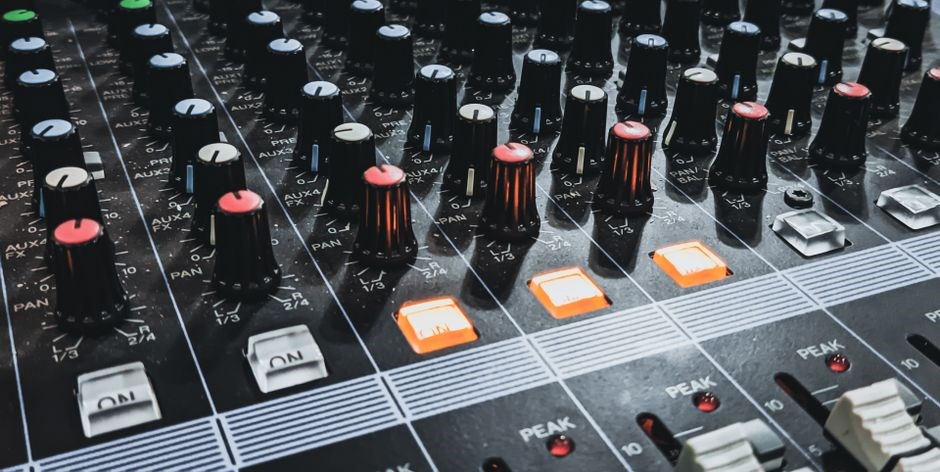
The X‑AIR Mix app presents a clean‚ touch‑friendly interface that mirrors the hardware’s channel strips and global controls. The top bar hosts the Transport section‚ showing Record‚ Play‚ and Stop icons‚ along with a Session selector for quick access to preset mixes. Below the transport‚ a Browser panel lists all Channels‚ Buses‚ and FX chains‚ each expandable to reveal sub‑controls.
Each channel’s control panel is divided into Input‚ EQ‚ Dynamics‚ Send‚ and Aux sections. The Input area shows the current source‚ gain knob‚ and mute/solo toggles. The EQ section features three bands with frequency‚ gain‚ and Q knobs‚ plus a high‑pass filter toggle. The Dynamics panel contains a compressor with threshold‚ ratio‚ attack‚ release‚ and makeup gain knobs‚ and a limiter toggle. The Send area lists all available buses with level and pan controls‚ and the Aux section displays the channel’s aux sends for reverb or delay.
Global controls reside in the Master section‚ offering a master fader‚ Meter display‚ and Mix toggle for stereo/mono output. The Routing tab allows users to map inputs to buses‚ set up side‑chain sources‚ and configure group sends. The FX tab lists all available effects‚ each with a dedicated control panel for parameters such as wet/dry mix‚ frequency‚ and quality. The app’s Save and Recall buttons enable quick session management‚ while the Help icon provides access to the online manual and troubleshooting guides. Users can also export routing maps and session presets in XML format for backup or transfer between devices. settings sync automatically!!.
Routing and Signal Flow
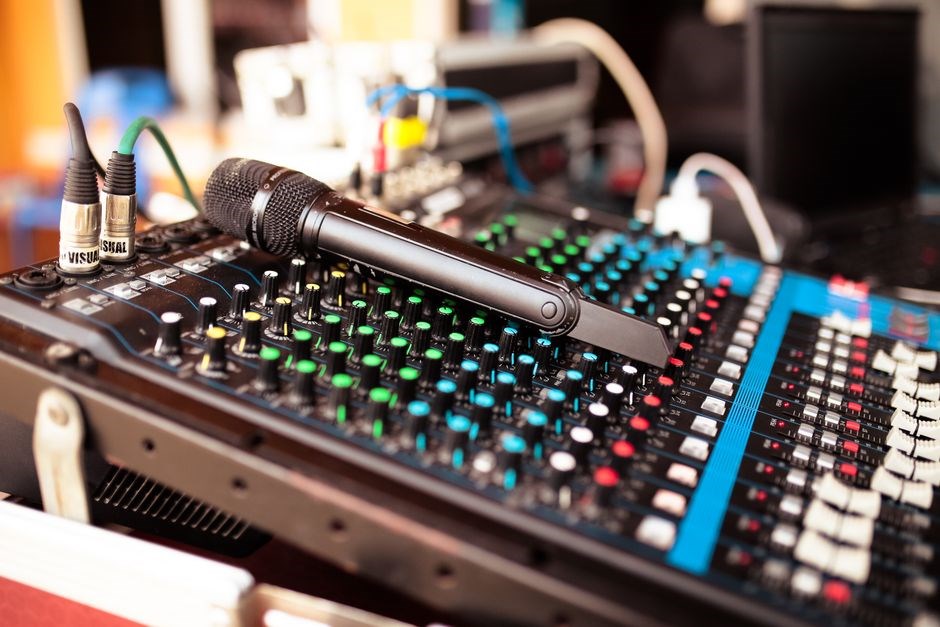
The Behringer X‑AIR XR18 offers a flexible routing architecture that supports complex live and studio configurations. Each of the 18 analog inputs can be routed to any of the 8 main buses‚ to the 16 auxiliary buses‚ or to the 8 FX chains. The digital mixer’s internal matrix allows for side‑chain compression‚ group sends‚ and multi‑track recording. Routing is configured via the X‑AIR Mix app or the X‑AIR Edit software‚ where a drag‑and‑drop interface displays all input‚ bus‚ and FX slots. By default‚ each input is assigned to Bus 1‚ but users can reassign to any bus with a simple tap. Auxiliary sends provide independent level and pan control for each channel‚ enabling flexible monitor mixes. FX chains can be inserted on any bus or channel‚ and each chain contains up to 8 effects‚ which can be bypassed or reordered. The mixer also supports 8 USB audio inputs for direct digital recording‚ and the 8 USB outputs can be routed to any bus or FX chain. The 48‑bit‚ 192 kHz audio path ensures high‑resolution signal flow. The XR18’s network interface allows for remote control of routing via the X‑AIR Mix app‚ enabling live adjustments without physical access. The routing matrix is saved in the session file‚ ensuring that the exact signal flow is restored on reboot or when a new session is loaded. This flexibility makes the XR18 suitable for complex live sound‚ recording studios‚ and broadcast applications alike. Users can also map the routing matrix to external gear via I/O‚ enabling integration smooth.
Advanced Features Overview
The Behringer X‑AIR XR18 delivers a suite of advanced capabilities that elevate both live and studio performance. Its 48‑bit‚ 192 kHz digital audio core supports 8 USB audio inputs and 8 USB outputs‚ enabling simultaneous multi‑track recording and playback with zero latency. The mixer’s 8‑bus architecture is fully configurable: each input can be routed to any bus‚ auxiliary‚ or FX chain‚ and each bus can be sent to any of the 8 FX chains or to the USB outputs. The FX section contains 8 slots per chain‚ each offering a range of high‑quality effects such as reverb‚ delay‚ distortion‚ and multi‑band compression. Effects can be bypassed or reordered on the fly‚ and the entire FX chain can be duplicated or shared across buses. The XR18’s network interface supports both Wi‑Fi and Ethernet‚ allowing the X‑AIR Mix app to control every parameter remotely. Users can create and save session files that preserve channel settings‚ routing‚ and FX configurations‚ ensuring consistent performance across gigs. The mixer also features a 24‑bit‚ 48 kHz analog‑to‑digital converter for each of its 18 inputs‚ and a 24‑bit‚ 48 kHz digital‑to‑analog converter for each of its 8 outputs‚ guaranteeing pristine audio quality. Furthermore‚ the XR18 supports a full 8‑channel digital I/O via the 48‑pin DIN connector‚ allowing integration with external digital mixers. The device can be configured as a master or slave in a multi‑unit network‚ enabling large‑scale setups. The X‑AIR Mix app provides a real‑time waveform display‚ level meters‚ and a customizable control surface. Users can assign macros to buttons‚ enabling quick scene changes. The mixer’s firmware is updatable over the network‚ ensuring access to new features and bug fixes. With its compact form factor‚ the XR18 is ideal for touring‚ recording studios‚ and broadcast studios alike. The XR18 also includes a built‑in 4‑band EQ on each channel‚ side‑chain compression‚ and a 32‑channel digital recorder that can be accessed via the X‑AIR Edit software. The device supports 16‑bit‚ 44.1 kHz audio for compatibility with legacy gear. The X‑AIR Mix app offers a customizable layout‚ allowing users to pin frequently used controls to the top of the screen. The mixer can be controlled via MIDI‚ enabling integration with external controllers and DAWs. The XR18’s network can be secured with WPA2 encryption‚ ensuring safe remote access. All these features are designed to provide a seamless‚ high‑performance audio experience for professionals.
Maintenance & Troubleshooting
If audio drops‚ verify USB routing. For power issues‚ ensure supply is connected. Rebooting fixes glitches. Check the mixer’s indicator ensure USB cable is secure. Now
If audio drops‚ verify USB routing. For power issues‚ ensure supply is connected. Rebooting fixes glitches. Check the mixer’s indicator ensure USB cable is secure. Now
If audio drops‚ verify USB routing. For power issues‚ ensure supply is connected. Rebooting fixes glitches. Check the mixer’s indicator ensure USB cable is secure. Now
If audio drops‚ verify USB routing. For power issues‚ ensure supply is connected. Rebooting fixes glitches. Check the mixer’s indicator ensure USB cable is secure. Now
If audio drops‚ verify USB routing. For power issues‚ ensure supply is connected. Rebooting fixes glitches. Check the mixer’s indicator ensure USB cable is secure. Now
If audio drops‚ verify USB routing. For power issues‚ ensure supply is connected. Rebooting fixes glitches. Check the mixer’s indicator ensure USB cable is secure. Now
If audio drops‚ verify USB routing. For power issues‚ ensure supply is connected. Rebooting fixes glitches. Check the mixer’s indicator ensure USB cable is secure. Now
If audio drops‚ verify USB routing. For power issues‚ ensure supply is connected. Rebooting fixes glitches. Check the mixer’s indicator ensure USB cable is secure. Now
Remember to keep firmware up to date for best performance test after updates.!!! logs for troubleshooting.!
Resources & Support
For comprehensive assistance with the Behringer X‑AIR XR18‚ consult the official resources and community channels listed below. These references provide firmware updates‚ troubleshooting guides‚ and user‑generated content that can help you resolve issues and expand your mixing capabilities.
- Official Manual & Downloads – Access the latest PDF manual‚ firmware‚ and software updates directly from Behringer’s support portal. The manual includes detailed schematics‚ configuration tables‚ and step‑by‑step instructions.
- Firmware & Software Updates – Keep the mixer’s operating system current by downloading the newest firmware releases. Updates often contain bug fixes‚ performance enhancements‚ and new features.
- Knowledge Base & FAQ – Browse the FAQ section for quick answers to common questions about setup‚ routing‚ and signal flow; The knowledge base hosts troubleshooting articles for specific error codes.
- Community Forums – Engage with X‑AIR users on the Behringer Community Forum. Share tips and discover use cases.
- Video Tutorials – Watch step‑by‑step video guides on YouTube and the Behringer website that cover everything from initial setup to advanced routing and automation.
By leveraging these resources‚ you can maintain optimal performance‚ troubleshoot effectively‚ and fully exploit the capabilities of the X‑AIR XR18..