
mirro pressure canner manual
Mirro Pressure Canner Manual: A Comprehensive Guide
Mirro pressure canners offer a reliable method for home food preservation‚ and understanding their operation is crucial for safety and success.
This guide provides detailed information on Mirro canner models‚ selective pressure control‚ and safe canning practices‚ ensuring quality results.
From vintage models to modern usage‚ this manual will help you navigate the world of pressure canning with confidence and efficiency.
Mirro pressure canning represents a time-honored tradition‚ empowering home cooks to preserve the bounty of their gardens and kitchens for year-round enjoyment. For decades‚ Mirro has been a trusted name in home canning‚ known for its durable construction and reliable performance. This method utilizes high temperatures achieved through pressurized steam to safely process low-acid foods‚ like vegetables and meats‚ eliminating the risk of botulism.
Unlike water bath canning‚ which is suitable only for high-acid foods‚ pressure canning is essential for ensuring the safety of low-acid preserves. Mirro canners‚ available in various models – including 16 and 22 quart capacities – offer a controlled environment for achieving these critical temperatures. Understanding the principles of pressure control‚ whether through weighted gauges or dial gauges‚ is paramount.
This introduction sets the stage for a comprehensive exploration of Mirro pressure canning‚ covering everything from canner components and preparation to safe practices and troubleshooting. Whether you’re a seasoned canner or a beginner‚ this guide will equip you with the knowledge to confidently preserve your favorite foods.

Understanding Pressure Canning Basics
Pressure canning hinges on achieving temperatures of 240°F (116°C) or higher‚ a feat impossible with boiling water alone. This high heat is vital for destroying Clostridium botulinum spores‚ the bacteria responsible for botulism‚ particularly in low-acid foods. A Mirro pressure canner creates this environment by trapping steam‚ increasing internal pressure‚ and consequently‚ temperature.

The process involves filling jars with food‚ adding liquid‚ and removing air bubbles before sealing them with lids and rings. These jars are then placed on a rack inside the canner with a specified amount of water. As the canner heats‚ steam builds‚ and the pressure is regulated using either a weighted gauge or a dial gauge.
Maintaining the correct pressure‚ dictated by altitude and food type‚ is crucial. Accurate processing times‚ found in tested recipes‚ ensure complete spore destruction. Safe canning isn’t simply about heat; it’s about a precise combination of temperature‚ time‚ and pressure‚ all carefully managed within your Mirro canner.
History of Mirro Pressure Canners
Mirro’s journey began in Manitowoc‚ Wisconsin‚ evolving from a cookware manufacturer to a prominent name in home canning. Initially focused on aluminum cookware‚ the company recognized the growing demand for safe and efficient food preservation methods. Early Mirro pressure cookers and canners gained popularity for their durability and reliable performance.
Throughout the mid-20th century‚ Mirro became synonymous with quality canning equipment. The designs evolved‚ with earlier models featuring flatter lids‚ distinguishing them from later iterations. The brand adapted to changing consumer needs‚ offering various sizes and features.
However‚ the corporate landscape shifted in the 1980s‚ leading to several ownership changes. Ultimately‚ Mirro was acquired by Groupe SEB‚ a French multinational specializing in small domestic appliances‚ alongside brands like All-Clad and Tefal. Despite these transitions‚ Mirro pressure canners continue to be valued for their legacy and functionality.
Mirro Canner Models: An Overview
Mirro primarily offers two main pressure canner models: the 16-quart and the 22-quart versions. Both are characterized as weighted-gauge canners‚ meaning they do not feature dial gauges for pressure monitoring. Instead‚ they rely on weighted regulators to maintain consistent internal pressure.
The 16-quart model is ideal for smaller batches and households with limited storage space‚ while the 22-quart canner accommodates larger yields‚ perfect for preserving seasonal harvests. These canners are constructed for durability‚ typically featuring heavy-gauge aluminum construction.
Older‚ vintage Mirro models may exist‚ some dating back many decades. Identifying these can require careful examination of markings and features. It’s important to note that very old models may not meet current safety standards‚ and their use is discouraged.
16 Quart Mirro Canner
The 16-quart Mirro pressure canner is a popular choice for individuals and smaller families embarking on home canning. Its compact size makes it manageable for those with limited kitchen space or who process smaller quantities of food at a time.
This model‚ a weighted-gauge canner‚ utilizes weights to regulate and maintain consistent pressure levels – typically 5‚ 10‚ or 15 PSI – crucial for safe and effective food preservation. It’s constructed from durable aluminum‚ ensuring even heat distribution during the canning process.
Despite its smaller capacity‚ the 16-quart Mirro canner is versatile‚ capable of processing a wide range of foods‚ from fruits and vegetables to meats and poultry‚ following recommended processing times. Regular inspection of the gasket and vent are vital for optimal performance.
22 Quart Mirro Canner
The 22-quart Mirro pressure canner is designed for larger batches‚ making it ideal for families who frequently engage in home canning or those who wish to preserve seasonal harvests efficiently. Like the 16-quart version‚ this model is a weighted-gauge canner‚ relying on weights to maintain precise pressure control.
Constructed from durable aluminum‚ it ensures even heating‚ vital for consistent processing. The larger capacity allows for processing more food in a single load‚ saving time and energy. It’s particularly useful for preserving larger cuts of meat‚ whole fruits‚ and substantial vegetable quantities.
Maintaining the gasket and vent is crucial for safe operation. This Mirro canner‚ like its smaller counterpart‚ offers the flexibility of 5‚ 10‚ and 15 PSI settings‚ accommodating various recipes and altitudes. It’s a robust and reliable choice for serious home canners.
Selective Pressure Control Explained (5‚ 10‚ 15 PSI)
Mirro pressure canners feature “Selective Pressure Control‚” allowing users to choose between 5‚ 10‚ and 15 PSI settings. This flexibility is crucial as different foods require different processing pressures for safe preservation. Lower pressures (5 PSI) are generally used for vegetables and some fruits‚ while higher pressures (10-15 PSI) are essential for low-acid foods like meats and poultry.
The pressure setting directly impacts the boiling point of water within the canner. Higher pressure equates to a higher boiling point‚ enabling higher temperatures needed to destroy harmful bacteria like Clostridium botulinum‚ which causes botulism.
Selecting the correct PSI is dictated by the recipe and your altitude. Higher altitudes require increased pressure to achieve the necessary processing temperature. Always consult tested recipes and adjust processing times and pressures accordingly to ensure food safety.
Components of a Mirro Pressure Canner
A Mirro pressure canner comprises several key components working in harmony for safe food preservation. The main body‚ typically made of aluminum or stainless steel‚ houses the canning process. A secure-seal lid is vital‚ creating an airtight environment necessary for building pressure.
The pressure regulator – either a weighted gauge or dial gauge – monitors and controls internal pressure. Steam vent(s) release excess pressure during operation. A rack inside prevents jars from direct contact with the canner’s bottom‚ ensuring even heating and preventing breakage.
Rubber gaskets create a tight seal between the lid and the canner body. The vent pipe/overpressure plug acts as a safety feature‚ releasing pressure if the vent becomes blocked. Understanding each component’s function is crucial for proper operation and maintenance.
Weighted Gauge vs. Dial Gauge Canners
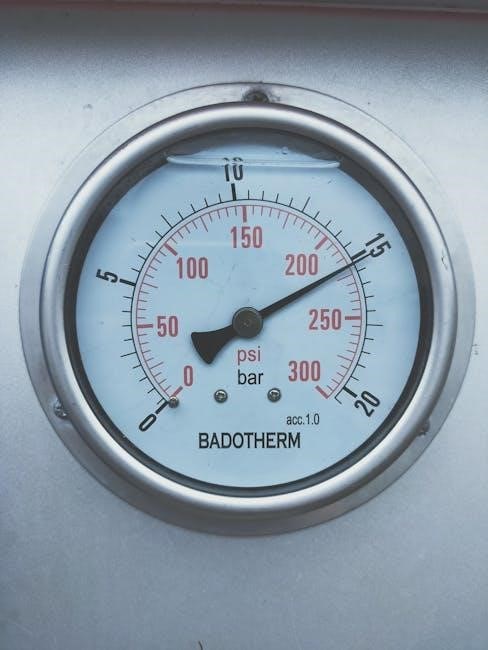
Mirro pressure canners come in two primary gauge types: weighted gauge and dial gauge. Weighted gauge canners utilize weights that rock or jiggle to regulate pressure‚ offering simplicity and reliability. They require no annual calibration‚ making them user-friendly for beginners.
Dial gauge canners‚ conversely‚ display pressure readings on a dial. These require annual testing for accuracy‚ as the gauge can drift over time. While offering precise pressure monitoring‚ they demand consistent calibration to ensure safe canning practices.
Most Mirro models are weighted-gauge‚ known for their consistent performance. Dial gauges provide a visual reading‚ but accuracy is paramount. Choosing between the two depends on user preference and commitment to annual calibration.
Preparing Your Mirro Canner for Use
Before each use‚ thoroughly inspect your Mirro pressure canner for any damage‚ including dents‚ cracks‚ or warping. Ensure the rubber gasket is pliable and free from cracks or deterioration; replace if necessary. Verify the vent pipe (steam vent) is clear of obstructions to allow proper steam release.
Place the canner on a sturdy‚ level burner large enough to accommodate its base. Add the required amount of water‚ typically 2-3 inches‚ as specified in your canning recipe. Insert the canning rack to prevent jars from direct contact with the canner’s bottom.
Always follow recipe-specific instructions regarding jar preparation and headspace. Properly prepared jars and adequate headspace are crucial for creating a vacuum seal during processing.
Water Bath Canning vs. Pressure Canning
Water bath canning is suitable for high-acid foods like fruits‚ jams‚ jellies‚ and pickles. Jars are fully submerged in boiling water‚ creating a vacuum seal. This method relies on acidity to prevent botulism growth;
Pressure canning‚ however‚ is essential for low-acid foods – vegetables‚ meats‚ and poultry – as it reaches higher temperatures (240°F/116°C) unattainable with boiling water. This higher heat destroys Clostridium botulinum spores‚ preventing botulism.
Mirro pressure canners excel at safely processing low-acid foods. Attempting to can these items using a water bath is extremely dangerous and can lead to serious illness or death. Always adhere to tested recipes and processing times for each method.
Safe Canning Practices with Mirro Canners
Prioritize cleanliness: Thoroughly wash jars‚ lids‚ and rings with hot‚ soapy water before use. Inspect jars for chips or cracks‚ discarding any damaged ones; Sterilize jars as recommended by current guidelines.
Follow tested recipes: Utilize recipes from reputable sources like the USDA Complete Guide to Home Canning or Ball Blue Book. Do not alter ingredient proportions or processing times.
Proper headspace: Leave the recommended headspace in each jar to allow for expansion during processing. This ensures a proper vacuum seal.
Vent the canner: Allow steam to vent steadily from the Mirro canner for the specified time (usually 10 minutes) before adding weight or closing the vent. This removes air‚ crucial for achieving the correct temperature.
Processing Times for Different Foods
Accurate processing times are vital for food safety when using a Mirro pressure canner. These times vary significantly based on the food type‚ jar size‚ and your altitude.
Vegetables and Fruits: Low-acid foods like green beans‚ corn‚ and potatoes require longer processing times than high-acid fruits like apples or peaches. Consult reliable charts for specific durations.
Meats and Poultry: Meats‚ including beef‚ pork‚ and poultry‚ necessitate even longer processing times due to the risk of botulism. Always adhere to recommended schedules.
Altitude Adjustments: Processing times must be increased with altitude. Higher elevations have lower boiling points‚ requiring extended processing to ensure adequate heat penetration. Refer to altitude adjustment charts for precise modifications.
Always double-check your processing time against a tested recipe and your elevation!
Vegetables and Fruits
Processing vegetables and fruits in a Mirro pressure canner requires careful attention to detail‚ as acidity levels dictate safe processing times. Low-acid vegetables‚ such as green beans‚ peas‚ and corn‚ demand higher temperatures and longer durations to eliminate botulism risks.
Fruits‚ generally higher in acidity‚ require less intense processing. However‚ proper procedures are still essential. Always hot-pack fruits to minimize shrinkage and maintain quality.
Recommended processing times vary based on the specific vegetable or fruit‚ jar size (pints‚ quarts)‚ and your altitude. Consult the National Center for Home Food Preservation or a trusted canning guide for accurate schedules.
Proper headspace is crucial – typically ½ inch for fruits and 1 inch for vegetables. Ensure jars are properly sealed after processing to guarantee food safety and preservation.
Always follow tested recipes!
Meats and Poultry
Canning meats and poultry in a Mirro pressure canner is vital for long-term storage‚ but demands strict adherence to safety guidelines due to the risk of botulism. These foods are low-acid and require significantly higher processing temperatures than fruits or pickled vegetables.
Beef‚ pork‚ lamb‚ and poultry must be processed according to tested recipes‚ considering jar size (pints‚ quarts) and altitude. Hot packing is generally recommended for meats to reduce shrinkage and improve heat penetration.
Processing times are considerably longer for meats than for most vegetables or fruits. Bone-in meats require longer processing times than boneless cuts.
Always ensure adequate headspace – typically 1 to 1 ¼ inches – to allow for expansion during processing. Properly sealed jars are essential for safe storage.
Never alter processing times or recipes!
Troubleshooting Common Issues
Difficulty achieving pressure can stem from insufficient liquid‚ a warped lid‚ or a faulty gasket. Ensure adequate water levels‚ inspect the lid for damage‚ and replace the gasket if it’s cracked or hardened.
Pressure loss during processing often indicates an improper seal. Verify the vent pipe is clear of obstructions and the gasket is correctly seated. Avoid interrupting the processing time if pressure fluctuates slightly.
Food discoloration can occur‚ but doesn’t necessarily indicate spoilage. It’s often due to iron reacting with certain foods.
Jars failing to seal may result from chipped jar rims‚ insufficient headspace‚ or improper processing times. Always use approved canning jars and follow recommended procedures.
If unsure about safety‚ discard the food. Never risk consuming improperly canned goods.
Maintaining Your Mirro Pressure Canner
Regular maintenance extends the life of your Mirro pressure canner and ensures safe operation. After each use‚ thoroughly wash all components with warm‚ soapy water‚ rinsing completely to remove residue.
Inspect the gasket for cracks‚ hardening‚ or deformation. Replace it annually‚ or more frequently if needed‚ to maintain a proper seal. Check the vent pipe and petcock for blockages‚ clearing them with a pipe cleaner or small wire.
Periodically examine the pressure gauge (if applicable) for accuracy. Dial gauges should be tested annually by your local extension office.
Avoid abrasive cleaners‚ as they can damage the canner’s finish. Store the canner in a dry place‚ with the lid off‚ to prevent rust and mildew. Proper care guarantees years of reliable service.
Replacing Parts: Where to Find Them
Finding replacement parts for your Mirro pressure canner is often easier than anticipated‚ even for older models. A primary source is directly through Groupe SEB‚ the current owner of Mirro‚ though availability can vary.
Online retailers specializing in canning supplies‚ such as Amazon‚ Lehman’s‚ and dedicated canning websites‚ frequently stock gaskets‚ vent pipes‚ pressure weights‚ and other essential components.
Auction sites like eBay can be a valuable resource for vintage or discontinued parts‚ but carefully verify the seller’s reputation and the part’s condition.
Local hardware stores may carry common parts like gaskets‚ but specialized components might require online ordering. Always ensure the replacement part is specifically designed for your Mirro canner model.
Understanding Canning Terminology
Successful pressure canning relies on understanding specific terminology. “Headspace” refers to the empty space left at the top of the jar‚ crucial for creating a vacuum seal.
“Processing time” dictates how long food is heated under pressure‚ varying based on food type and jar size. “PSI” (pounds per square inch) indicates the pressure inside the canner‚ adjusted for altitude.
A “weighted gauge” uses weights to regulate pressure‚ while a “dial gauge” displays pressure numerically. “Boiling water canning” is for high-acid foods‚ unlike pressure canning‚ needed for low-acid items.
“Raw pack” means filling jars with uncooked food‚ while “hot pack” involves pre-heating food before jarring. Familiarizing yourself with these terms ensures safe and effective use of your Mirro canner.
Canning Safety Guidelines
Prioritizing safety is paramount when using a Mirro pressure canner. Always follow tested recipes from reliable sources like the USDA Complete Guide to Home Canning.

Inspect jars for cracks or chips before use‚ and ensure lids are new and undamaged. Properly venting the canner before pressure builds is crucial to remove air.
Never attempt to open the canner until the pressure has returned to zero and it has cooled completely. Avoid overfilling jars‚ maintaining recommended headspace.
Regularly check the gasket for wear and tear‚ replacing it as needed. Be mindful of altitude adjustments‚ as higher elevations require increased processing times or pressure.
Properly sterilized jars and adherence to these guidelines will ensure safe‚ preserved food.
Mirro Canner Manual Location & Downloads
Finding a Mirro pressure canner manual can sometimes be challenging‚ especially for older models. Many original manuals were lost over time‚ but resources are available.
While Mirro is now owned by Groupe SEB‚ direct downloads from their website may be limited. However‚ online archives and enthusiast communities often host scanned copies.
Websites specializing in vintage appliance manuals are excellent starting points. Searching for the specific model number (often found on the canner’s base) will yield the best results.
Furthermore‚ online forums dedicated to canning and food preservation frequently have threads where users share manuals or provide links to downloadable versions.
Always verify the manual’s applicability to your specific Mirro canner model before use‚ ensuring safe and correct operation.
Cleaning and Storage of Your Canner
Proper cleaning and storage are vital for maintaining your Mirro pressure canner’s longevity and ensuring safe operation. After each use‚ thoroughly wash all removable parts with warm‚ soapy water.
Pay close attention to the sealing ring and vent ports‚ removing any food residue that could compromise the seal. The canner body should be wiped clean‚ avoiding abrasive cleaners that could damage the finish.
Before storing‚ ensure the canner is completely dry to prevent rust formation. Remove the sealing ring and store it separately in a cool‚ dry place. Do not store it inside the canner.
Store the pressure canner in a dry location‚ protected from extreme temperatures and humidity. Consider placing a desiccant packet inside to absorb any residual moisture.
Regular inspection and proper storage will keep your Mirro canner ready for years of safe and reliable food preservation.
The Groupe SEB Acquisition of Mirro
The Mirro brand’s history includes several changes in ownership‚ notably its acquisition by Groupe SEB‚ a French multinational appliance manufacturer‚ in the 1980s. Groupe SEB also owns well-known brands like All-Clad and Tefal;
This acquisition marked a significant shift for Mirro‚ integrating it into a larger global organization with extensive resources and a diverse product portfolio. While the Mirro name continues‚ production and innovation have been influenced by Groupe SEB’s strategies.
Despite the change in corporate hands‚ Mirro pressure canners have largely maintained their reputation for durability and functionality. Groupe SEB’s ownership has allowed for continued availability of parts and support for existing Mirro products.
Understanding this ownership history provides context for the current state of the Mirro brand and its place within the broader landscape of home canning equipment. It’s a testament to the brand’s enduring quality.
Using Mirro Canners with Modern Recipes
While Mirro canners are often associated with traditional recipes‚ they are perfectly capable of handling modern canning formulations. However‚ it’s crucial to adhere to updated processing times and pressure recommendations from reliable sources like the USDA Complete Guide to Home Canning.
Modern recipes may incorporate different ingredients or techniques‚ requiring adjustments to ensure food safety. Always prioritize scientifically-backed guidelines over older‚ potentially outdated instructions.
Mirro’s selective pressure control (5‚ 10‚ 15 PSI) allows for versatility in processing various foods‚ accommodating the specific requirements of contemporary recipes. Ensure your canner is functioning correctly before beginning.
When adapting modern recipes‚ double-check that the ingredients are suitable for pressure canning and that the recipe provides accurate processing instructions for your altitude. Safe canning practices remain paramount‚ regardless of the recipe’s origin.
Identifying Vintage Mirro Canner Models
Mirro pressure canners have a rich history‚ and identifying vintage models can be fascinating. Early Mirro canners often featured flatter lids compared to later designs. Examining the lid’s shape is a key identifier.
Look for markings or stamps on the canner body; these can indicate the manufacturing date or model number. Older units may lack dial gauges‚ relying solely on weighted gauges for pressure regulation.
The presence of specific features‚ like particular handle designs or vent pipe configurations‚ can also help pinpoint the era of production. Researching historical catalogs and online forums dedicated to vintage canning equipment is beneficial.
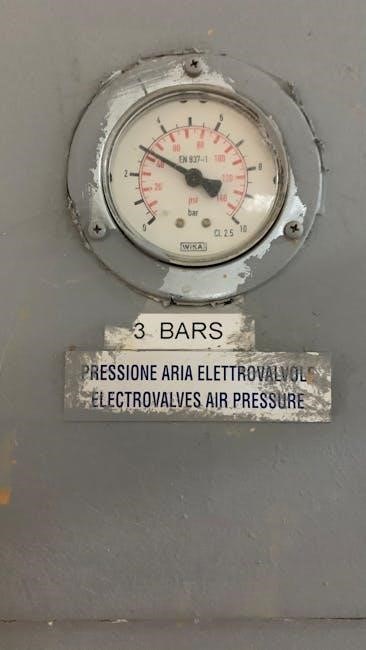
However‚ remember that using vintage canners requires careful inspection. Ensure all parts are in good working order and that the gasket is intact. If the canner’s history is unknown‚ exercise caution and prioritize safety.
Resources for Further Learning
Expanding your knowledge of pressure canning and Mirro canners is readily achievable through various resources. The National Center for Home Food Preservation (NCHFP) offers comprehensive guides and research-based recommendations for safe canning practices.
University Extension offices across the United States provide localized canning information‚ classes‚ and support. Online forums and communities dedicated to home canning are excellent platforms for sharing experiences and seeking advice from fellow enthusiasts.
Mirro’s parent company‚ Groupe SEB‚ may offer limited support or documentation for older models‚ but exploring their website can be worthwhile. Websites specializing in vintage kitchenware often feature information about Mirro canners.
Remember to prioritize information from reputable sources and always adhere to current safety guidelines. Continuous learning ensures you maintain safe and effective canning practices with your Mirro canner.