lake placid freshwater charter and guide
Lake Placid Freshwater Charter and Guide: A Comprehensive Plan
Lake Placid, a renowned destination, hosted the New York State Outdoor Writers Association’s annual conference recently, showcasing its exceptional freshwater fishing opportunities and guiding services.
Lake Placid, nestled in the Adirondack Mountains of New York, is a premier freshwater fishing destination celebrated for its stunning scenery and diverse fish populations. This glacial lake, steeped in Olympic history, offers anglers an unforgettable experience, attracting both seasoned professionals and enthusiastic beginners. The lake’s pristine waters hold a variety of prized game fish, including Lake Trout, Landlocked Salmon, Brook Trout, and Northern Pike, making it a versatile location for diverse fishing preferences.
The annual conference hosted by the New York State Outdoor Writers Association in Lake Placid further solidified its reputation as a top angling spot. The region’s commitment to preserving its natural resources ensures a healthy ecosystem, supporting thriving fish populations for years to come. Whether you’re seeking a thrilling battle with a large Lake Trout or the delicate artistry of fly fishing for Brook Trout, Lake Placid provides the perfect backdrop for an exceptional fishing adventure. Exploring charter options and experienced guide services enhances the experience, providing valuable local knowledge and maximizing your chances of success.
Why Choose a Lake Placid Charter?
Lake Placid’s vastness and complex underwater structure benefit greatly from utilizing a local charter service. Navigating the lake effectively requires intimate knowledge of its depths, currents, and prime fishing locations – expertise that charter captains possess. These professionals offer significant advantages, including access to well-maintained boats equipped with advanced fish-finding technology like sonar and GPS, dramatically increasing your odds of locating and landing target species.
Furthermore, a charter eliminates the logistical challenges of trailering a boat, obtaining necessary permits, and understanding local regulations. The New York State Outdoor Writers Association’s recent conference in Lake Placid highlighted the region’s dedication to responsible angling, and charters ensure compliance with all guidelines. Experienced captains also provide valuable instruction on effective fishing techniques tailored to the specific conditions and species. Choosing a charter translates to a more relaxed, productive, and ultimately rewarding fishing experience, allowing you to fully immerse yourself in the beauty of the Adirondacks and the thrill of the catch.
Target Species: Lake Trout
Lake Trout (Salvelinus namaycush) are a premier target for anglers visiting Lake Placid, renowned for their size and fighting spirit. These cold-water predators thrive in the lake’s deep, oxygen-rich waters, often found near drop-offs, submerged structures, and thermal springs. Lake Trout can grow to impressive sizes, with specimens exceeding 30 pounds not uncommon, making them a prized catch for both seasoned and novice fishermen.
Successful Lake Trout fishing often involves trolling deep-diving lures or spoons, or employing jigging techniques near the bottom. Understanding their preferred depths and seasonal movements is crucial. Charters specializing in Lake Trout possess the knowledge and equipment to locate these elusive fish effectively. The New York State Department of Environmental Conservation actively manages the Lake Trout population, ensuring sustainable fishing opportunities. Anglers should be aware of size and creel limits to contribute to the long-term health of this iconic species. Targeting Lake Trout offers a challenging and rewarding angling experience in the stunning Adirondack landscape.
Target Species: Landlocked Salmon
Landlocked Salmon (Salmo salar) represent a significant angling opportunity within Lake Placid, offering a thrilling fight and beautiful presentation. Unlike their ocean-going counterparts, these salmon complete their entire life cycle in freshwater, thriving in the lake’s cool, clear waters. They are known for their acrobatic leaps and powerful runs, providing an exciting challenge for anglers of all skill levels.
Effective techniques for targeting Landlocked Salmon include trolling with spoons or flies, casting with spinners, and employing downriggers to reach desired depths; They often congregate near inlets, outlets, and areas with abundant baitfish. Lake Placid charters frequently focus on Landlocked Salmon, utilizing their expertise to locate productive fishing spots. The New York State Department of Environmental Conservation closely monitors the salmon population, implementing regulations to maintain healthy stocks. Understanding seasonal migration patterns and preferred habitats is key to success. Catching a Landlocked Salmon in Lake Placid is a memorable experience, showcasing the region’s exceptional freshwater fishery.
Target Species: Brook Trout
Brook Trout (Salvelinus fontinalis), the New York State fish, are a prized catch in Lake Placid, representing a true symbol of the Adirondack wilderness. These colorful fish prefer cold, clear, oxygen-rich waters, finding refuge in the lake’s numerous coves and near spring-fed inlets. They are relatively smaller than Lake Trout or Landlocked Salmon, but their vibrant markings and spirited fight make them highly sought after by anglers.
Successful Brook Trout fishing often involves light tackle and finesse presentations. Casting small spinners, spoons, or flies near shoreline structure and submerged timber is effective. Fly fishing enthusiasts favor dry flies and nymphs, imitating the insects that form the trout’s diet. Lake Placid guides possess intimate knowledge of Brook Trout habitats and preferred techniques. Conservation efforts are crucial to maintaining healthy Brook Trout populations, as they are sensitive to water quality and temperature changes. Landing a beautiful Brook Trout in Lake Placid is a rewarding experience, connecting anglers with the region’s natural beauty.
Target Species: Northern Pike
Northern Pike (Esox lucius), often called “Pike” or “Northern”, are apex predators inhabiting Lake Placid, known for their aggressive strikes and powerful runs. These ambush predators thrive in weedy bays, near submerged logs, and along rocky shorelines, patiently waiting for unsuspecting prey. Pike can grow to impressive sizes, making them a thrilling target for anglers seeking a challenging fight.
Effective Pike fishing strategies involve using larger lures that mimic baitfish, such as spoons, spinners, and crankbaits. Wire leaders are essential to prevent Pike from biting through the line with their sharp teeth. Trolling these lures at varying depths can cover more water and increase your chances of a hookup. Lake Placid guides can pinpoint productive Pike locations and share specialized techniques. Responsible angling practices, including catch-and-release, are vital for sustaining a healthy Pike population. Successfully landing a sizable Northern Pike in Lake Placid is a testament to angling skill and patience.
Best Times to Fish Lake Placid
Lake Placid offers rewarding fishing experiences throughout the year, but certain seasons consistently deliver superior results. The spring months (April-June) witness increased fish activity as waters warm and fish emerge from their winter dormancy, actively feeding to replenish energy reserves. This period is prime for targeting spawning Lake Trout and Landlocked Salmon.
Summer (July-August) provides stable weather conditions, ideal for various techniques like trolling and casting. While fish may be deeper, consistent action can be found. Fall (September-October) is arguably the best time, with cooling waters triggering a final feeding frenzy before winter. Pike and Salmon become particularly aggressive. Winter (December-March) transforms the lake into an ice fishing paradise, offering unique opportunities for targeting Lake Trout through the ice. Consulting with local guides is crucial, as they possess up-to-date knowledge of current conditions and fish behavior, maximizing your chances of a successful outing regardless of the season.
Seasonal Fishing Strategies ‒ Spring
Spring fishing on Lake Placid demands a dynamic approach. As the ice melts (typically April), focus on shallow bays and inlets where Lake Trout and Landlocked Salmon congregate to spawn. Slow trolling with spoons or stickbaits mimicking baitfish is highly effective. Utilize downriggers to precisely present lures at desired depths.
As water temperatures rise, fish move deeper. Transition to targeting pre-spawn and post-spawn fish with jigging presentations near drop-offs and submerged structures. Brook Trout become active in streams feeding into the lake, offering fly fishing opportunities. Northern Pike begin their spawning run, responding well to large spinnerbaits and crankbaits. Remember to adjust your tactics based on daily weather fluctuations and water clarity. Early mornings and late evenings often yield the best results, capitalizing on lower light conditions and increased fish activity. Local guides can provide invaluable insights into current hotspots and effective techniques.
Seasonal Fishing Strategies ⏤ Summer
Summer on Lake Placid necessitates adapting to warmer water temperatures and varying fish behavior. Lake Trout retreat to cooler, deeper waters, making downrigging and lead-core trolling the primary techniques. Focus on areas with thermoclines, identified using a fish finder, and present lures slowly near the bottom.
Landlocked Salmon and Northern Pike become more active in the early morning and late evening, seeking cooler temperatures in shaded areas. Casting crankbaits and spinnerbaits along weed lines and rocky shorelines can be productive. Brook Trout fishing slows down as water temperatures rise, but smallmouth bass offer an alternative target species. Consider using live bait, such as worms or minnows, for increased success. Monitor weather patterns, as thunderstorms can disrupt fishing activity. Utilizing a charter service provides access to experienced captains who understand summer fishing patterns and can locate productive areas efficiently.
Seasonal Fishing Strategies ⏤ Fall
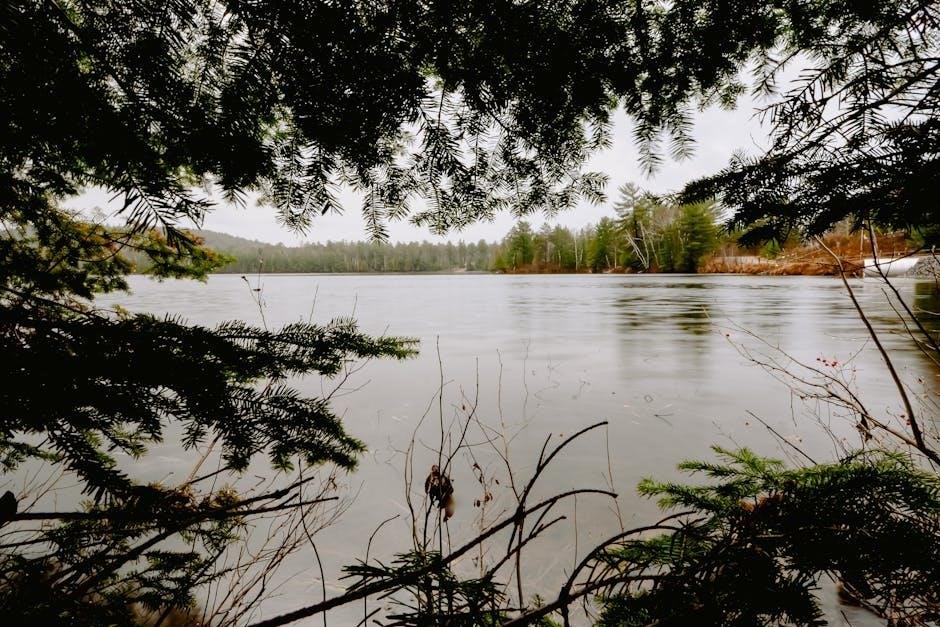
Fall presents a dynamic fishing period on Lake Placid, as water temperatures cool and fish prepare for winter. Lake Trout become more active in shallower waters, responding well to trolling with spoons and stickbaits. Focus on areas near drop-offs and submerged structures. Landlocked Salmon enter a pre-spawn feeding frenzy, making them aggressive and readily taking streamers and spinners.
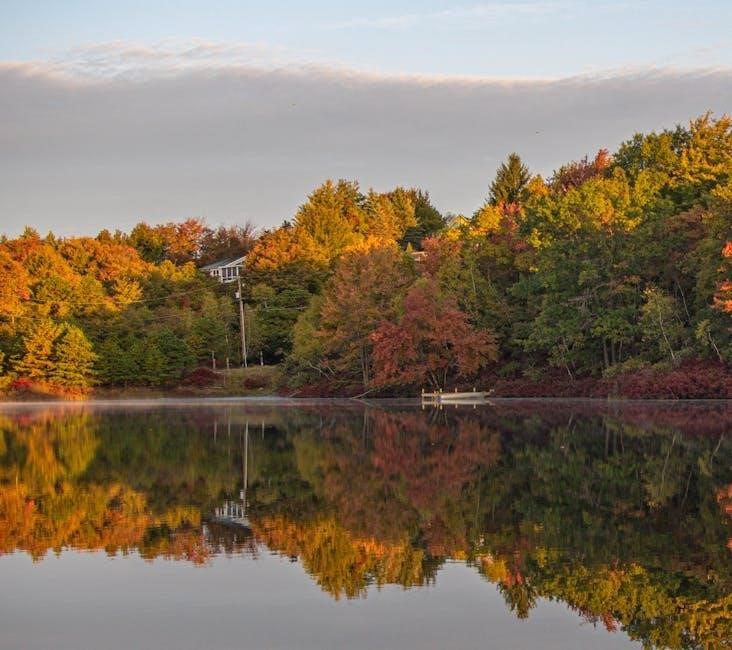
Northern Pike also increase their activity levels, ambushing prey along weed edges and rocky points. Brook Trout fishing improves as water cools, offering opportunities for fly fishing in smaller inlets and streams. The vibrant fall foliage adds to the scenic beauty of the fishing experience. Utilizing a charter service during this transition period can maximize your success, as guides possess local knowledge of fish movements and preferred fall patterns. Be prepared for changing weather conditions, and dress in layers for comfort and safety.
Seasonal Fishing Strategies ‒ Winter (Ice Fishing)
Lake Placid transforms into an ice fishing haven during winter, offering unique opportunities to target various species. Lake Trout remain active under the ice, often concentrated in deeper basins. Successful techniques include tip-ups baited with live or scented lures, and jigging with large spoons or swimbaits. Landlocked Salmon can also be found in deeper sections, responding to aggressive jigging presentations.
Northern Pike are a popular target for ice anglers, readily striking quick-moving lures and large minnows. Brook Trout, while less common in the main lake, can be found in smaller, shallower bays and inlets. Safety is paramount when ice fishing; always check ice thickness and carry essential safety gear, including ice picks and a rope. Consider joining a guided ice fishing trip for expert advice on locating fish and ensuring a safe and productive experience. Warm clothing and a portable shelter are crucial for comfort during long days on the ice.
Popular Fishing Locations on Lake Placid
Lake Placid boasts diverse fishing spots, each with unique characteristics. The area around Buck Island is renowned for Lake Trout, particularly during spring and fall trolling. For Landlocked Salmon, the waters near Sheep Meadow and the east shore offer promising results, especially when casting or jigging. Brook Trout enthusiasts often explore the smaller bays and inlets along the western shoreline, seeking out cooler, shallower waters.
Northern Pike are frequently found in the weed beds and shallow areas near the southern end of the lake, and around the islands. Deep water humps and drop-offs throughout the lake consistently hold fish throughout the year. Local guides can pinpoint productive locations based on current conditions and target species. Remember to consult a lake map to identify these key areas and understand the underwater structure. Exploring different locations is key to maximizing your success on Lake Placid, adapting to changing fish patterns and seasonal movements.
Charter Boat Options and Amenities
Lake Placid offers a range of charter boat options to suit various angler preferences and budgets. Many charters specialize in specific species, like Lake Trout or Landlocked Salmon, utilizing advanced fish-finding technology. Boats typically range in size from 20 to 28 feet, accommodating between 2 and 6 anglers comfortably. Expect modern amenities such as GPS navigation, fish finders, and comfortable seating.
Most charters include all necessary fishing equipment, including rods, reels, tackle, and safety gear. Some offer heated cabins for colder months, ensuring a comfortable experience regardless of the weather. Many provide complimentary snacks and beverages, and some even offer lunch options. Professional captains and experienced mates are standard, offering expert guidance and fish-cleaning services. When booking, inquire about specific amenities, target species expertise, and the captain’s local knowledge to ensure a tailored and successful fishing adventure on Lake Placid.
Guide Services: What to Expect
Engaging a fishing guide on Lake Placid provides access to invaluable local expertise, significantly enhancing your angling success. Expect a pre-trip consultation to discuss your target species, preferred fishing techniques, and experience level. Guides will typically provide all necessary tackle, including rods, reels, lures, and bait, though confirming this beforehand is wise.
On the water, guides will navigate to productive fishing spots, utilizing their knowledge of seasonal patterns and fish behavior. They’ll offer instruction on effective techniques, assist with baiting hooks, and provide tips for landing fish. Beyond fishing, guides often share insights into the lake’s history, ecology, and surrounding area. Most guides handle fish cleaning and offer advice on preparing your catch. A professional guide prioritizes safety, ensuring adherence to all regulations and providing necessary safety equipment; Tipping is customary for exceptional service, typically 15-20% of the charter cost.
Essential Fishing Gear for Lake Placid
Preparing for a Lake Placid fishing trip requires careful consideration of gear. A medium-heavy action spinning or baitcasting rod, 6-7 feet in length, is versatile for targeting various species; Match this with a quality reel spooled with 8-12 pound test monofilament or fluorocarbon line. A selection of lures is crucial; spoons, spinners, and crankbaits are effective for trout and salmon, while larger lures and bucktails suit pike.
Jigs, in various weights and colors, are essential for vertical jigging. Don’t forget a net, pliers, hook remover, and a tackle box to organize your gear. Appropriate clothing is vital – layers are best, as weather can change rapidly. Waterproof outerwear, a hat, and sunglasses are recommended. If ice fishing, bring warm, waterproof boots, an ice auger, and a portable shelter. A valid New York State fishing license is mandatory, and a camera to capture your catch is always a good idea!
Lake Placid Fishing Regulations and Licensing
Navigating New York State’s fishing regulations is crucial for a legal and enjoyable Lake Placid experience. A valid New York State fishing license is required for anglers 16 years and older. Licenses are available online through the Department of Environmental Conservation (DEC) website, at local tackle shops, and at some town clerk offices.
Specific regulations for Lake Placid vary by species. There are size and creel limits for lake trout, landlocked salmon, brook trout, and northern pike, designed to maintain healthy fish populations. Be aware of seasonal closures and special regulations that may apply to certain areas of the lake. It’s essential to consult the current DEC fishing guide for detailed information. Remember to properly identify your catch before keeping it, and always practice responsible catch and release techniques to conserve the resource. Failure to comply with regulations can result in fines.
Lake Placid Fishing Techniques: Trolling
Trolling is a highly effective technique for covering large areas of Lake Placid and locating active fish, particularly lake trout and landlocked salmon. This method involves slowly dragging lures or bait behind a moving boat. Downriggers are commonly used to present lures at specific depths where fish are holding, allowing anglers to target different parts of the water column.
Popular trolling lures include spoons, spinners, and diving plugs, often mimicking the size and movement of baitfish. Leadcore line or braided line with lead weights can also be employed to achieve desired depths. Varying your speed and lure presentation is key to success. Experienced anglers often use fish finders to identify schools of fish and structure, adjusting their trolling patterns accordingly. Remember to check local regulations regarding the number of hooks allowed per line. Trolling allows for consistent contact with fish, maximizing your chances of a successful day on the water.
Lake Placid Fishing Techniques: Jigging
Jigging is a versatile and productive technique for targeting a variety of species in Lake Placid, including lake trout, salmon, and even northern pike. This method involves vertically presenting a jigging lure near the bottom or suspended in the water column, imparting an erratic, enticing action. Different jig head weights are used depending on depth and current, ensuring the lure remains in the strike zone.
Popular jigging lures include lead head jigs tipped with soft plastic swimbaits, tubes, or grubs. The key to successful jigging is detecting subtle strikes and setting the hook promptly. A sensitive rod and line are crucial for feeling these bites. Experienced anglers often use their fish finder to locate structure and fish, positioning their boat directly over these areas. Varying the jigging motion – from slow, deliberate lifts to quick, aggressive snaps – can trigger strikes. Jigging is particularly effective during the colder months when fish are less active and holding near the bottom.
Lake Placid Fishing Techniques: Casting
Casting techniques offer a dynamic approach to fishing Lake Placid, allowing anglers to cover substantial water and target fish actively feeding near the surface or along shorelines. Spin casting and fly casting are both popular methods, each suited to different lure types and angler preferences. When targeting northern pike or landlocked salmon, casting crankbaits, spoons, or spinnerbaits can be highly effective. These lures mimic baitfish and attract aggressive strikes.
For brook trout, lighter tackle and smaller lures, such as spinners or small crankbaits, are often preferred. Accurate casting is essential, especially when targeting specific structure like submerged timber or rocky points. Varying retrieval speeds and incorporating pauses can entice hesitant fish. Experienced anglers often utilize a variety of casting techniques, including long casts to reach distant feeding areas and short, precise casts to work lures around cover. Pay attention to wind direction and adjust casting angles accordingly for optimal lure presentation. Casting allows for a more interactive fishing experience, providing immediate feedback and control.
Safety Considerations for Lake Placid Fishing
Lake Placid’s beautiful scenery can be deceiving; prioritizing safety is paramount for a successful and enjoyable fishing trip. Weather conditions can change rapidly, especially during spring and fall, so always check the forecast before heading out and be prepared for sudden shifts in temperature or wind. Dress in layers and wear waterproof clothing. A properly fitted life jacket is non-negotiable, even for experienced swimmers, and should be worn at all times while on the water.
Be aware of your surroundings and other boat traffic. Maintain a safe distance from shorelines and obstacles. If ice fishing, thoroughly assess ice thickness before venturing onto frozen surfaces – never assume it’s safe. Carry a communication device, such as a marine radio or fully charged cell phone, for emergencies. Inform someone of your fishing plans, including your location and expected return time. Sun protection, including sunscreen, a hat, and sunglasses, is crucial, even on cloudy days. Finally, be mindful of wildlife and maintain a respectful distance.
Accommodation and Travel Information for Anglers
Lake Placid offers a diverse range of lodging options to suit every angler’s preference and budget. From charming bed and breakfasts and cozy cabins to luxurious hotels and resorts, accommodations are plentiful. Many establishments cater specifically to fishermen, offering gear storage, cleaning stations, and even freezer space for your catch. Booking in advance is highly recommended, especially during peak seasons like summer and fall, when the New York State Outdoor Writers Association and other groups frequently visit.
Getting to Lake Placid is relatively straightforward. The closest major airport is Adirondack Regional Airport (SLK), offering limited service. Alternatively, Albany International Airport (ALB) is approximately a two-hour drive away, providing more flight options. Rental cars are readily available at both airports. Once in Lake Placid, the village is easily navigable on foot, and many charter operators and guides offer transportation to and from fishing locations. Consider the time of year when planning your travel, as winter conditions can impact road accessibility.
Resources for Lake Placid Fishing (Websites & Organizations)
For anglers planning a trip to Lake Placid, several online resources and organizations provide valuable information. The New York State Department of Environmental Conservation (NYSDEC) website (https://www.dec.ny.gov/) is essential for current fishing regulations, licensing requirements, and lake-specific information. It’s crucial to review these details before your visit to ensure compliance.
The Regional Office of Sustainable Tourism (ROOST) (https://www.adk.com/) offers comprehensive travel planning resources, including accommodation listings, dining options, and local event calendars. The New York State Outdoor Writers Association (https://www.nysooa.com/) frequently features articles and reports on Lake Placid’s fishing scene. Local charter operators and guide services often maintain websites and social media pages with updated fishing reports and availability. Exploring these platforms can provide insights into current conditions and successful techniques. Don’t hesitate to connect with local tackle shops for expert advice and recommendations.